
Notice of Default in Idaho: What Homeowners Should Know

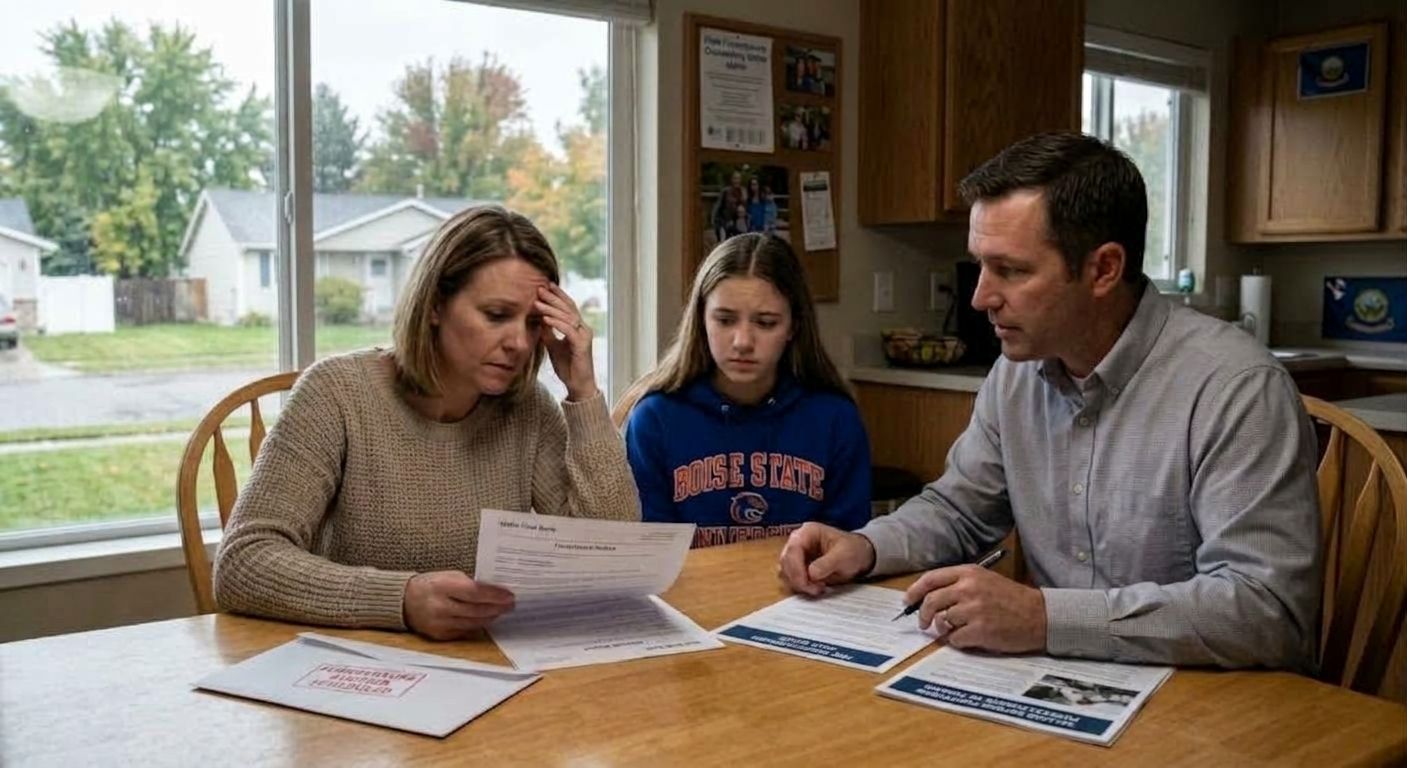
Receiving a notice of default in Idaho is something homeowners should take seriously, but it should not cause you to make a rushed decision. A notice related to mortgage default can signal that your loan has reached an important stage and that there may be deadlines requiring your attention.
Your first steps should be practical: read the entire notice, confirm who sent it, identify every date listed, contact your mortgage servicer, and organize your loan documents. If any part of the notice is unclear, seek qualified assistance rather than relying on assumptions.
Treasure Canyon Property Solutions LLC helps Idaho homeowners explore real estate options when mortgage difficulties create uncertainty about keeping a property. With 42 years of industry experience, the company offers free foreclosure consultations and flexible home-sale solutions.
Understanding what your notice means is the first priority. Deciding what to do about the property comes next.
What Is a Notice of Default?
A notice of default generally indicates that a borrower has failed to meet an obligation under a loan or deed of trust and that the default has reached a point requiring formal action.
The exact meaning of a document depends on the type of notice, the loan, and the circumstances. That is why homeowners should read the actual document rather than relying solely on general information found online.
When reviewing a notice, identify:
- The borrower and property information
- The party that issued or recorded the notice
- The default described in the document
- Important dates or deadlines
- Contact information provided
- Instructions for responding
- References to additional foreclosure steps
Do not discard the envelope, attachments, or related correspondence. Keep everything together in a dedicated file.
A notice of default is an important warning that deserves prompt attention.
Learn More:
→ Foreclosure Consulting –
This page explains Treasure Canyon Property Solutions LLC's free foreclosure consulting service for Idaho homeowners who want to discuss their property situation and potential real estate options.
What Should You Do After Receiving a Notice?
The most useful response is organized action.
Read the Entire Document
Do not stop after reading the heading.
Review every page and highlight dates, instructions, names, and contact information. If the notice refers to other documents you do not have, determine how to obtain them.
Contact Your Mortgage Servicer
Contact your mortgage servicer and ask for the current status of your loan.
Questions may include:
- What default is currently recorded?
- What stage has the account reached?
- What deadlines should I know?
- What options, if any, are available through the servicer?
- What documents are required from me?
- Who should I contact with follow-up questions?
Keep notes about conversations, including the date and the information provided.
Verify Information Before Taking Action
Foreclosure-related situations can attract scams and misleading promises.
Do not provide sensitive information or sign property documents simply because someone contacts you claiming they can immediately solve the problem. Verify who you are dealing with and carefully review any agreement before signing.
Does a Notice of Default Mean You Immediately Lose Your Home?
A notice of default should not be interpreted as meaning you must immediately leave your property.
It does mean that you should understand what stage of the process you have reached and what deadlines apply.
This distinction matters.
Homeowners sometimes lose valuable time because they assume nothing can be done after receiving a formal notice. Others make the opposite mistake and assume the notice can be ignored because the property has not yet been sold.
Neither approach is helpful.
Instead, focus on your actual documents and circumstances.
Independent housing counseling or qualified legal guidance can be particularly valuable when you need help understanding your rights, obligations, or foreclosure procedures.
What Options Should You Begin Evaluating?
Your options depend on your mortgage, financial circumstances, foreclosure stage, and long-term goals.
A useful starting point is deciding whether your priority is to keep the property or explore leaving it.
If you want to remain in the home, contact your mortgage servicer promptly and ask what options may be available. You may also want to speak with a HUD-participating housing counselor.
If keeping the property is no longer practical, exploring a sale may be appropriate.
That does not mean you should immediately accept the first offer you receive. Instead, investigate your timeline, property condition, title situation, liens, and available selling methods.
Could Selling the Property Be an Option?
For some homeowners, selling becomes part of the conversation after receiving a default-related notice.
There are different ways to approach a home sale.
A traditional real estate listing may work for homeowners who have enough time for marketing, showings, inspections, negotiations, buyer financing, and closing.
A direct or as-is sale may be worth exploring when a homeowner wants a different process or the property requires repairs.
The appropriate route depends on the property and your circumstances.
Learn More:
→ We Buy Homes –
https://www.treasurecanyonpropertysolution.com/we-buy-homes
This page explains Treasure Canyon Property Solutions LLC's direct home-buying service for property owners interested in exploring an alternative to a traditional listing.
Where Can Idaho Homeowners Find Independent Information?
Because foreclosure involves significant legal and financial consequences, homeowners should consult reliable independent resources.
Homeowners who need legal advice should speak with a qualified attorney or appropriate legal-aid organization. A real estate solutions company can discuss property-sale possibilities, but it should not replace legal or financial professionals.
Frequently Asked Questions About a Notice of Default in Idaho
Should I ignore a notice if I plan to catch up later?
No. Review the notice and contact your mortgage servicer. Even if you believe your situation will improve, you need to understand applicable deadlines and what your servicer requires.
Should I move out immediately after receiving a notice of default?
Do not assume a notice automatically requires you to leave immediately. Read the document carefully and seek qualified guidance if you are uncertain about your rights or obligations.
Can I still explore selling my property?
Depending on the status of the foreclosure and other circumstances, a sale may remain an option. Timing becomes increasingly important, so gather accurate information early.
Who can explain my legal rights?
A qualified attorney or appropriate legal-aid organization can provide legal guidance. HUD-participating housing counselors may also provide independent foreclosure counseling.
Can Treasure Canyon Property Solutions LLC help with a notice of default?
Treasure Canyon Property Solutions LLC can provide a free foreclosure consultation and discuss potential real estate or home-sale options. The company does not replace legal, tax, credit, or financial professionals.
Take the Notice Seriously and Understand Your Next Step
Receiving a notice of default can be stressful, but your next move should be based on facts rather than panic.
Read the entire notice. Identify important dates. Contact your mortgage servicer. Organize your records. Seek independent housing or legal assistance when appropriate. Then decide whether keeping the property or exploring a sale better fits your circumstances.
If selling becomes one of the options you want to investigate, Treasure Canyon Property Solutions LLC can discuss potential real estate solutions with you.
Call (208) 713-5416 or the 24/7 hotline at 208-649-0937.
Contact:
→ Book a Consultation –
https://www.treasurecanyonpropertysolution.com/book-a-consultation
Contact Treasure Canyon Property Solutions LLC directly to request a free consultation about your property situation and potential next steps.
This article provides general information only and is not legal, tax, credit, or financial advice. Foreclosure circumstances and legal requirements vary. Consult appropriately qualified professionals regarding your individual situation.
Recent Posts